Abstract
Rabies remains a major public health concern in many parts of Africa, including Mozambique, where limited surveillance, low vaccination rates, and insufficient community awareness contribute to the disease’s persistence. The ISCR-Limpopo project proposes an integrated rabies control and prevention program in the Limpopo District, grounded in the One Health approach that recognizes the close interconnection between human, animal, and environmental health.
Proposed activities
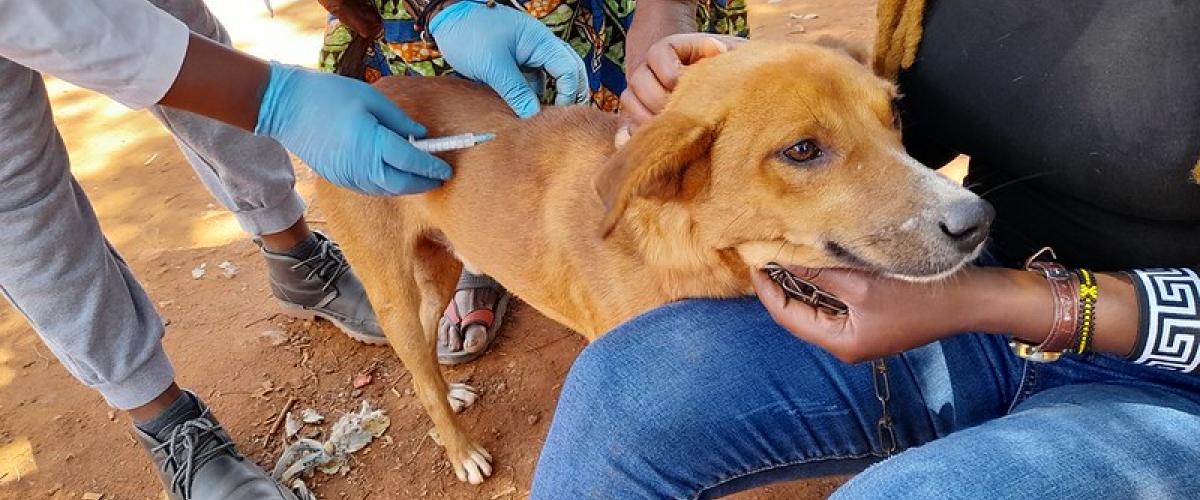
The program focuses on reducing rabies incidence through coordinated efforts that combine mass vaccination, community engagement, and operational research. A cornerstone of the initiative is a door-to-door vaccination campaign targeting domestic dogs and cats. Following vaccination, a detailed animal census will be conducted to generate essential baseline data for strategic planning and resource allocation.
Community sensitization activities will be central to raising public awareness about rabies transmission, prevention strategies, and the importance of early case reporting. At the same time, the project will conduct research to identify local drivers of rabies outbreaks, evaluate vaccine effectiveness, and assess the potential role of wildlife reservoirs.
Capacity building is embedded throughout the project, with training provided for local field teams and community leaders. This approach aims to foster local ownership and ensure the sustainability of rabies control efforts beyond the project's duration.
Expected outcomes
Expected outcomes include improved vaccination coverage, enhanced disease reporting, and strengthened community participation. By integrating science, public health, and community empowerment, this initiative aims to establish a replicable model for sustainable rabies control in Mozambique, aligning with global targets to eliminate dog-mediated human rabies deaths by 2030.
Sand pit project
The ISCR-Limpopo is one of eight projects funded by the Capacitating One Health in Eastern and Southern Africa (COHESA) project following a call for multidisciplinary One Health project proposals to address local challenges, across the 12 COHESA countries. As part of the Sandpit process, teams pitched their proposals and the winning pitches are promoted, receive funding as well as technical support and mentoring from COHESA.